We want to create the biggest online listing collection of Ships around the world!
Please add you short stay ship rentals now.
Be the captain of you vacations and book a ship to conquer the seas! If you are searching for a ship that perfectly suits your needs, than don't look any further. We collect ships from all around the word so that you can find your perfect ship within minutes.
10 Ships found
Europe
Netherlands
Spain
United Kingdom of Great Britain & Northern Ireland
List your ship on this page?
Add linkTravelling by ship: river cruises, expedition voyages and life on board
A ship is a hotel that moves. You go to sleep in one place and wake up somewhere new, with your room, your meals and often your fellow travellers coming along for the journey.
Travelling by ship takes many forms, and they have little in common beyond the water. This guide walks through the main options, the choices that make the biggest difference to your trip, and the practical details worth sorting out before you sail.
The main ways to travel by ship
River cruises follow a river through the heart of a country or several countries, stopping in towns and cities along the banks. The water is calm, the ships are relatively small and you are rarely out of sight of land. Classic routes include the Rhine and the Danube in Europe, the Nile in Egypt with its temples, the Mekong through Vietnam and Cambodia, the Yangtze in China with its famous gorges, and the Amazon, where smaller boats can reach deep into the rainforest.
Expedition cruises use smaller, sturdy ships to reach remote places with few or no ports. Instead of stepping off onto a quay, you go ashore in small inflatable boats called zodiacs. Popular destinations include Antarctica, the Arctic and Svalbard, the Galapagos Islands, Alaska's Inside Passage and the fjords of Norway and Greenland.
Small-ship coastal cruising sits between the two: intimate ships that sail along coastlines and between islands, calling at small harbours that large ships cannot reach.
Coastal ferries and ship routes are the practical cousins of the cruise. Some coastal routes carry both locals and travellers, with cabins, restaurants and daily stops in small communities. Norway's long coastal route between Bergen and Kirkenes is a well-known example, and ferries with cabins connect islands and coasts in many parts of the world.
Freighter travel is for adventurous travellers with time to spare. Some cargo ships take a small number of paying passengers, who share meals with the officers and spend long days at sea. There is no entertainment programme, schedules can change at short notice, and some lines have age limits or ask for a medical certificate.
Hotel ships are moored in a port or on a river and used as floating accommodation, sometimes permanently and sometimes during large events. You get the atmosphere of sleeping on the water without sailing anywhere.
Small ship or big ship?
Large ocean cruise ships offer many restaurants, shows and facilities, but they can only call at large ports and you share the experience with thousands of people. Smaller ships trade those facilities for access and atmosphere. They can sail into narrow channels, land in remote bays and moor in the centre of small towns. The trade-off is that smaller ships can feel the motion of the sea more in open water.
Choosing your cabin
Cabins usually come in a few main types:
- Inside cabins have no window. They are usually the most affordable and very dark for sleeping, but can feel closed in.
- Outside cabins have a window or porthole, so you can see the weather and the view.
- Balcony cabins have a private outdoor space, lovely for watching glaciers, riverbanks or wildlife from your own door.
- Suites add more space and sometimes extra services.
Location matters as much as type. If you are worried about seasickness, choose a cabin low down and in the middle of the ship, where movement is felt least. Cabins near the front usually move the most in waves. Also think about noise: cabins right above the engine, below a public deck or next to a lift can be disturbed at night.
What is included, and what is not
Ship prices can include very different things, so compare carefully. Meals are almost always included, but drinks, wifi, gratuities, shore excursions, port taxes and transfers may or may not be. On expedition voyages, landings and zodiac trips are normally part of the trip, and some operators provide or lend waterproof boots and parkas.
Shore excursions and expedition landings
On river and coastal voyages, shore excursions range from guided city walks to wine tastings and village visits. You can often explore independently instead, as long as you are back on board on time; the ship will not wait.
Expedition landings follow stricter rules, especially in protected areas. In Antarctica, operators follow international guidelines that limit how many people can be ashore at once, set minimum distances from wildlife and forbid taking anything away or leaving anything behind. Before landing you will clean your boots and check clothing and bags for seeds and soil, a process known as biosecurity, to avoid bringing in species that do not belong there. In the Galapagos, visitors ashore must be accompanied by a licensed naturalist guide and stay on marked trails. Landings always depend on weather, ice and sea conditions, so the itinerary is a plan rather than a promise.
Seasickness and staying comfortable
River cruises are almost always smooth. At sea, and especially on crossings known for rough water, such as the Drake Passage on the way to Antarctica, motion is part of the experience. Speak to a doctor or pharmacist before you travel about remedies, and start them before the sea gets rough. On board, fresh air, looking at the horizon and staying low and central in the ship all help.
Dress codes, health and insurance
Most small ships, river ships and expedition vessels are casual, with perhaps one smarter evening. Larger ocean ships may have formal nights. On expedition voyages, practical layers, waterproofs and good grip on your shoes matter far more than evening wear.
Medical facilities vary a lot. Larger and expedition ships usually carry a doctor, while smaller river ships may rely on local services ashore. For remote voyages, travel insurance that covers medical evacuation is essential, and some expedition operators require it.
When to sail
Seasons shape ship travel. The Antarctic season runs during the southern summer, roughly from November to March, while the Arctic, Svalbard and Alaska are visited in the northern summer. The Galapagos can be visited all year, with seas and wildlife changing between seasons. Rivers are affected by rainy and monsoon seasons, which raise or lower water levels and can change routes.
Questions to ask before you book
- How many passengers does the ship carry, and how many crew?
- Where exactly is my cabin, and is it affected by noise or motion?
- What is included: drinks, excursions, gratuities, wifi, transfers?
- Is there a doctor on board, and what medical care is available?
- Is travel insurance with evacuation cover required?
- What happens if weather, ice or water levels change the route?
- Is there a dress code, and is special gear provided for landings?
- Where and when does embarkation take place, and should I arrive a day early?
- Are there age limits, health requirements or accessibility limits?
Getting on board
Embarkation is often in a port far from home, and flights can be delayed. Arriving the day before, especially for expedition voyages that leave from remote ports, avoids a stressful race to the ship. Check which documents and visas you need for every country on the route, and pack a small bag with essentials in case your main luggage reaches your cabin later.
Using the listings on this page
The ships and voyages on this page are grouped by continent, country and region, so you can browse by where you want to travel. Each link goes to the owner's own website, where you can check availability and book directly. Do you operate a ship, river vessel or hotel ship? Add your link for free with the button above.
Looking for an awesome place to spend your holiday?
Or want to advertise your houseboat, lighthouse, treehouse or glamping?
Check these links below!
Blog posts
-
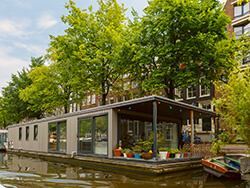
PRO TIP: Rent a houseboat in Amsterdam
A houseboat is a great place to stay when visiting Amsterdam. Stay close to the city center but have a lot of private space.
Read more.. -
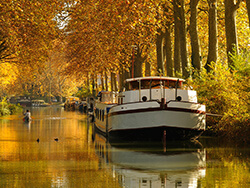
PRO TIP: Book a river cruise in France
River cruises in France are the next luxury holiday destination. Cruise your private barge with cook down the French rivers.
Read more..